
Nobody Gets Hurt
Safety
Everybody on our site goes home the way they arrived. That commitment outranks the schedule and it outranks the budget, and we would rather lose a job than argue about it.
Before Anybody Picks Up a Tool
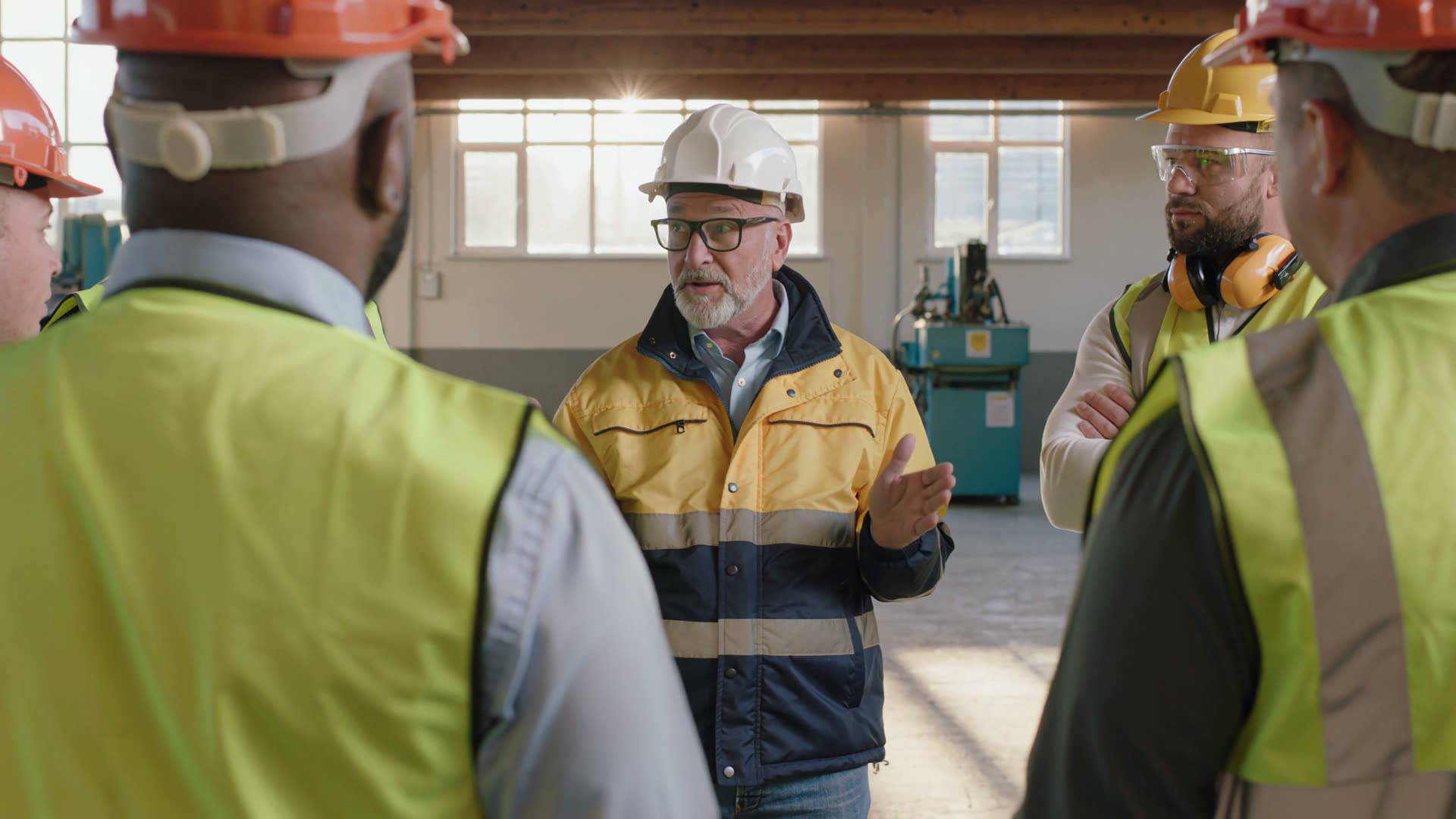
The day starts with a briefing.
Every crew is walked through the day's tasks, the hazards attached to them, and who to stop if something changes. It takes ten minutes and it is the reason most incidents never get the chance to happen.
What We Commit To
Safety is a set of decisions, not a poster in the trailer.
Every contractor says safety comes first. The difference shows up in what happens when following through costs money or costs a day.
Stop-work authority for everyone
Any person on our site can halt work without asking permission and without consequence. Apprentices included. If something looks wrong, it stops until it is right.
Planned before it is performed
Every task with a fall, trench, energised, or confined-space exposure gets a written plan and a pre-task briefing. Nothing high risk starts on improvisation.
Subcontractors held to our standard
Every subcontractor is prequalified on their safety record before they price the work, and they follow our site rules once they are on it. No exceptions for schedule pressure.
Incidents investigated, not filed
Near misses are reported and reviewed the same as injuries. The point is finding the condition that caused it, not finding somebody to blame for it.

The Programme
What is actually in place
- OSHA 30 for all field supervision, OSHA 10 minimum for all field staff
- Site-specific safety plan issued before mobilisation
- Daily pre-task planning and hazard analysis
- Weekly documented toolbox talks
- Fall protection at six feet, no exceptions
- Competent-person inspection for excavation and scaffolding
- Subcontractor prequalification on EMR and incident history
- Substance abuse testing programme
- Third-party safety audits on active sites
What It Is Worth To You
A safety record is a line item on your budget.
Safety is the right thing to do and we would run it this way regardless. But it is also money, and pretending otherwise does nobody any favours.
A contractor's experience modification rate sets what it pays for workers compensation. On a labour-heavy scope like framing and drywall that is not a rounding error, it is overhead, and overhead lands in the number you are handed. Ask us for ours and we will send it.
It also derisks your project. Fewer incidents means fewer stoppages, fewer investigations, and no chance of your jobsite becoming somebody else's news story. General contractors prequalifying subs already know this, which is why the EMR is the first number they ask for.
For Subcontractors
We prequalify on safety record first and price second. If your numbers are good and your crews work the way ours do, we want to hear from you. Include your trade, your service area, and your EMR.
Get PrequalifiedQuestions about our record
Ask us for the numbers.
We will send our EMR, our incident history, and the name of a superintendent you can call directly. No filtering.